The dawnwalker predator build is the opposite of the swordsman: Vampirism is your main tree, the night is your primary combat window, and at night your durability is your blood bar (Vampiric Health) — the thing you manage on purpose instead of a number you ignore. It is the build with the highest ceiling at night and the thinnest floor in daylight — you are trading consistency for peak power.
The core idea
Coen is human by day and a vampire by night. The predator accepts that split fully and makes the vampire half the build. You spend the day moving through the world, finishing conversation, and keeping your guard up with a minimal human kit. You spend the night doing the damage: vampire abilities that burn through your blood bar in deliberate bursts, and fights you deliberately schedule for after dark.
Everything else in the build serves one question: when the night comes, am I ready for the hardest fight of the day?
Managing your blood bar and Corruption
At night, Coen’s durability is his blood bar (Vampiric Health) — a segmented pool, not his daytime health. The Blood Hunger pressure comes from what that bar demands of you:
- Spending. Your vampire abilities consume blood. Your heaviest night moves are what burn the bar down fastest, so you are always trading damage against the pool you are standing in.
- Refilling. Drinking blood restores the bar and raises Corruption — the level that unlocks deeper Vampirism nodes. In the predator build, early Vampirism nodes that deepen your blood pool and speed up your Corruption are the priority investments.
- The danger zone. When your bar is at one or two segments, interacting with an NPC can trigger a forced Feral Hunger blood-drink — you lose control and drain or kill the NPC. The mistake that kills predator players is arriving at a hard fight with a low bar: you have no room to spend on your heavy abilities, and one more hit can push you into the Feral state.
Point priority
This is the verified point priority for the predator build, with exact launch v1.0 perk node names and recommended spending order. Match each tier to the nodes in your skill menu.
| Tier | Tree: Node | Why it comes first |
|---|---|---|
| Corruption first | Vampirism: Hastened Corruption → Endless Hunger | Hastened Corruption (≈XP multiplier) is the single highest-ROI early investment — it accelerates every other Vampirism node. Endless Hunger boosts your nighttime max HP and lowers frenzy risk, giving you room to spend your blood bar aggressively. |
| Night engine | Vampirism: Voracious Bite → Death From Above → Nourishing Blood | Voracious Bite is your bread-and-butter — damages and heals simultaneously. Death From Above turns jumps into insta-kills on normal enemies. Nourishing Blood amplifies the healing from every drink. |
| Mobility | Vampirism: Shapeshift | Wolf form gives you fast overland travel at night + Haste — critical for routing fights into your night window and escaping unfavorable engagements. |
| Sword survival floor | Swordmastery: Endless Effort → Perfect Block (2 points) | The minimum Swordmastery layer to stay alive when your blood bar runs out or you are forced into daylight fights. Endless Effort prevents stamina lock; Perfect Block gives you one reliable recovery tool. |
| Witchcraft bare minimum | Witchcraft: Frugal Witchcraft (1 point) | One Witchcraft perk covers daytime survival — spell kills restore HP, which pays for the spell’s cost. You are not building a day kit; you are building a day insurance policy. |
Ultimate Perk: Renounce Death ⚠
If you raise Corruption to 15, you unlock the Vampirism Ultimate choice. For predator builds, Renounce Death (one free revive per fight — resurrects with 10 seconds of invincibility) is non-negotiable. It turns every hard fight into a two-attempt window, and predator builds live or die on their ability to survive the unexpected. The alternate options do not match the predator’s burst-to-death playstyle. This choice is permanent.
The shape to check: by the time you reach the survival layer, Vampirism should be the tree you are visibly deep in, while Witchcraft holds only a few nodes. If your day tree starts looking competitive with your night tree, you have drifted into a hybrid — which is a fine build, just a different one. The build calculator flags that drift for you in real time.
Playstyle
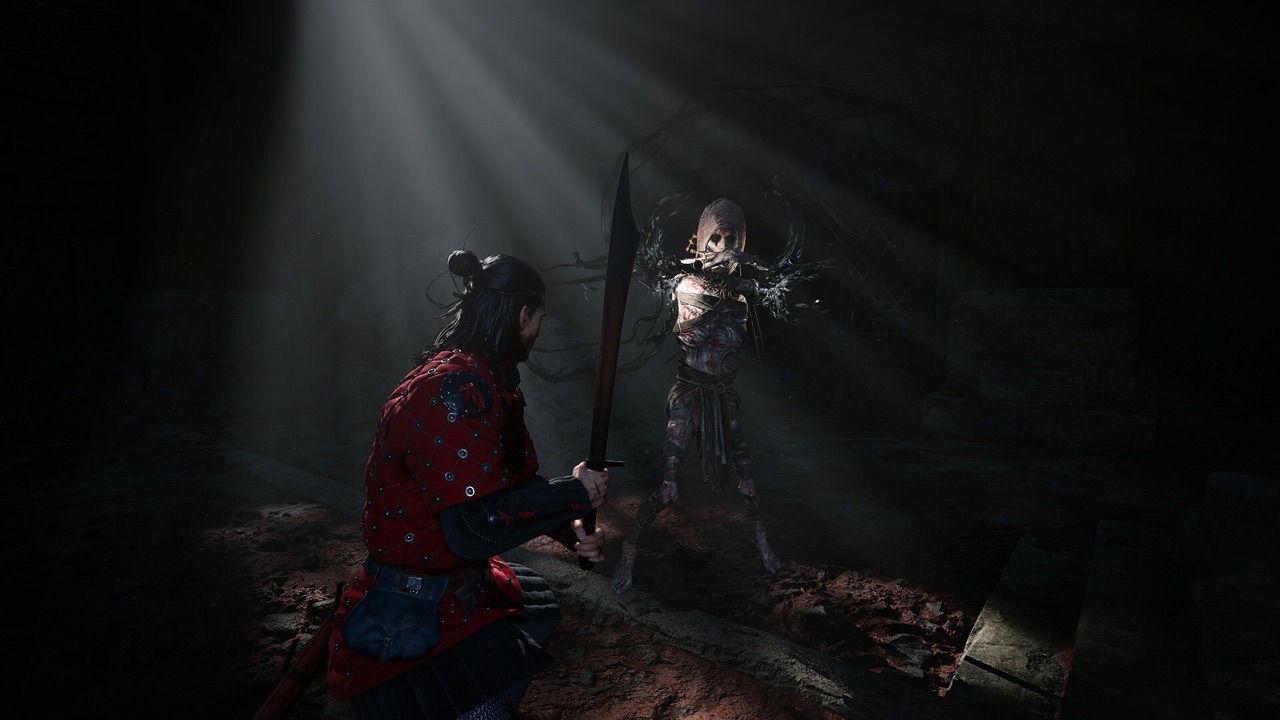
Day: move, talk, progress. Use basic parries and whatever one or two defensive Witchcraft nodes you bought to survive, and do not chase fights. Night: play the predator. Open fights with a full blood bar, spend it on your heaviest abilities in deliberate bursts, and keep your thin sword layer for recovery when the bar runs low. You are not trying to out-trade enemies in a long exchange — you are trying to burn a full bar in one or two waves, then refill by drinking.
Two practical habits:
- Know your night window. Fights you can push to night (delaying a daytime encounter when the story allows it) are strictly better for this build.
- Respect the timer. Quests, conversations, and skill investment all consume time on the 30-day clock, and your power peaks at night — so a day wasted in low-value interaction is a night’s worth of preparation you will not get back. The 30-day timer guide covers how the clock interacts with the story.
When it shines and when it struggles
Shines: night combat, especially fights with heavy telegraphed enemies where a burst from a full blood bar answers the pressure better than a long exchange. It also fits players who like the vampire side of Coen to be the protagonist of the run rather than the sword.
Struggles: long daylight stretches, and any content that forces you to be strong right now in the human form. The thin day kit is a real liability if the story drops you into a sustained daytime fight, and there is no respec safety net for a build that underinvested in survival.
For how the two forms actually differ in the field, the day and night dual-form guide is the companion read, and the skill trees overview explains what each tree covers if you want to see why this build leaves day nearly empty.