The dawnwalker swordsman build is the most straightforward of the three: you commit to Swordmastery, take light touches of Witchcraft and Vampirism for coverage, and fight with the same identity in daylight and in the dark. If you want combat that feels consistent no matter what time of day the fight takes place, this is the build.
What the swordsman build is
One weapon, one philosophy: parry, create space, answer with directional attacks, and keep the pressure on. The build deliberately does not ask you to switch mindsets between human and vampire form. Swordmastery works in both, so the same reads and rhythms carry across the whole day. Witchcraft and Vampirism are bought for utility — a defensive spell here, a night survival node there — not for a second playstyle.
Point priority
This is the verified point priority for the swordsman build, with exact launch v1.0 perk node names and recommended spending order. Match each tier to the nodes in your skill menu.
| Tier | Tree: Node | Why it comes first |
|---|---|---|
| Core first | Swordmastery: Endless Effort → Sustained Focus → Perfect Block | Stamina, ability charges, and parry recovery are the foundation of every sword fight. Endless Effort makes combat sustainable; Sustained Focus unlocks your active ability; Perfect Block creates the openings your directional attacks consume. |
| Parry combo | Swordmastery: Sharp Eye → Swiftness → Broad Swing | Sharp Eye and Swiftness turn a good parry into damage output — the enemy is weakened and your attack speed spikes. Broad Swing adds an AOE finisher for crowded fights. |
| Survival | Swordmastery: Second Skin I/II (requires Manual for II) → Master Fencer | Second Skin removes medium/heavy armor penalties (buy the Manual from an Armorer); Master Fencer adds an extra ability slot for your night backup. |
| Light Witchcraft | Witchcraft: Frugal Witchcraft (1 point) | One Witchcraft perk is enough — spell kills restore HP, which pays for the spell’s HP cost. No need for more; this is the day half covered. |
| Light Vampirism | Vampirism: Nourishing Blood (1 point) | One Vampirism perk — improves blood healing so nights do not punish your thin night kit. Stay light; if you need more night power, you have drifted to predator. |
Ultimate Perk: Last Stand ⚠
If you invest 35 points into Swordmastery, you unlock the Ultimate choice. For swordsman builds, Last Stand (weapon damage increases by 150% when HP drops below 30%) is the clear pick — it turns desperate fights into comeback windows. The alternate, Tactical Mastery, favors a different playstyle entirely. This choice is permanent, so commit only when you hit the threshold.
The ratio matters more than the exact nodes: most of your points live in Swordmastery, and the other two trees are seasoning. If you find yourself deep in Vampirism before Swordmastery is close to done, you are no longer playing a swordsman. You can load this structure into the build calculator to see the tier plan and its day/night balance before your first spend.
Playstyle
Play parry-first. The whole build is built on the idea that a good parry is worth more than two good attacks: it opens the window for your directional-attack chain and it keeps you out of the damage spikes that would otherwise punish you for having thin spell support.
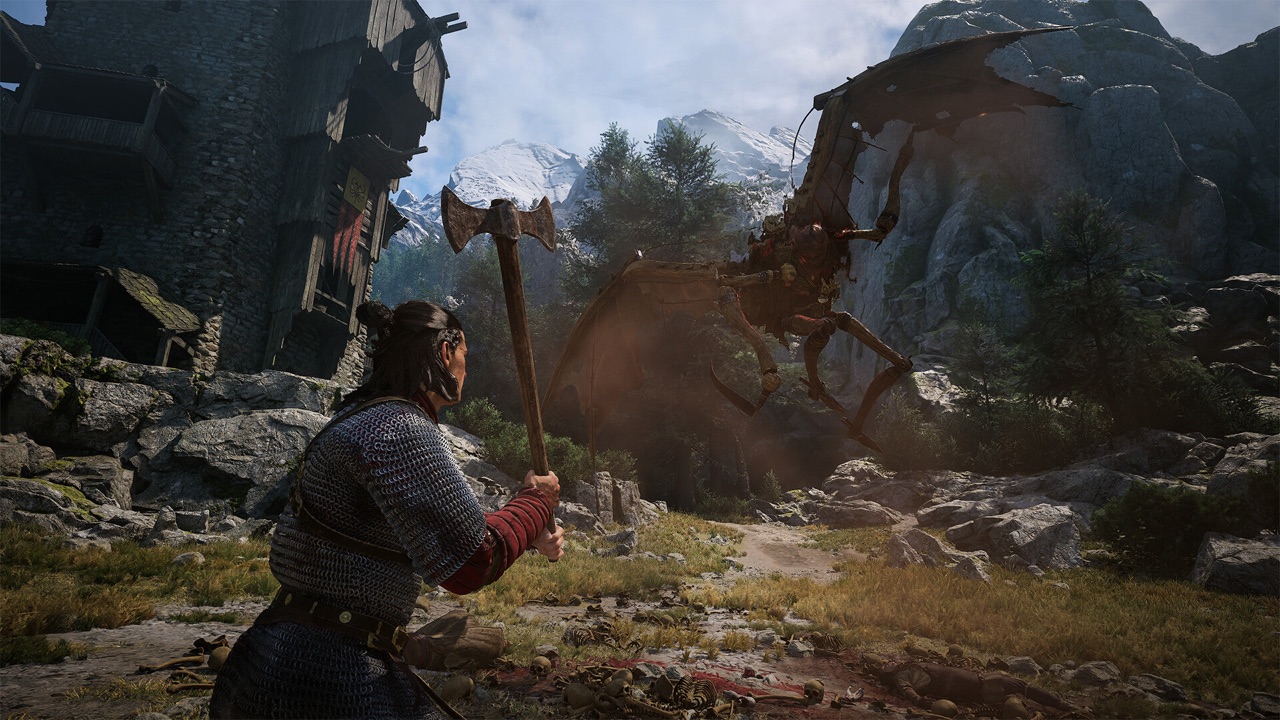
A typical exchange: hold your position, parry the big move, answer with a directional sequence from the side the opponent just opened up, and back out when the enemy recovers. You win this build on repetition. The same loop works in the night form, so there is nothing new to learn when the sun goes down — only the enemy’s move list changes.
If you have not done the combat fundamentals yet, the combat basics guide covers directional attacks and parry timing before you commit to this structure.
Weapon notes
- Directional attacks are your language. Most of your Swordmastery value comes from attacking from the angles the enemy is not covering. Learn which of your directional moves chain cleanly into each other and build one two-to-three swing default combo instead of mashing every option.
- Parry creates your openings. Do not parry out of anxiety — parry the telegraphed heavy move, because that is what your follow-up windows are designed around.
- Keep the night simple. With a light Vampirism layer, your night form is “still the sword, plus a couple of extra tools.” Do not try to pilot a vampire you did not build.
When it shines and when it struggles
Shines: when you want consistency. Fights that reward steady pressure, parry-heavy enemies, and long stretches of the run where you want the same reliable toolkit every night. It is also the build to pick if you are new to the game’s combat, because it is one system instead of two.
Struggles: moments that reward burst. Fights where the night form’s heaviest abilities matter, and daylight stretches where a real Witchcraft kit would carry you, are where the swordsman pays for its simplicity. If a particular stretch of the story keeps dropping you into fights that punish low spell utility, that is the signal — either finish the remaining Swordmastery nodes for survivability or consider reshaping into a hybrid with your remaining points.
For where the points come from in the first place, see Skill Points & XP: How Progression Works, and if you are still choosing, the skill trees overview lays out what each tree is actually for.